
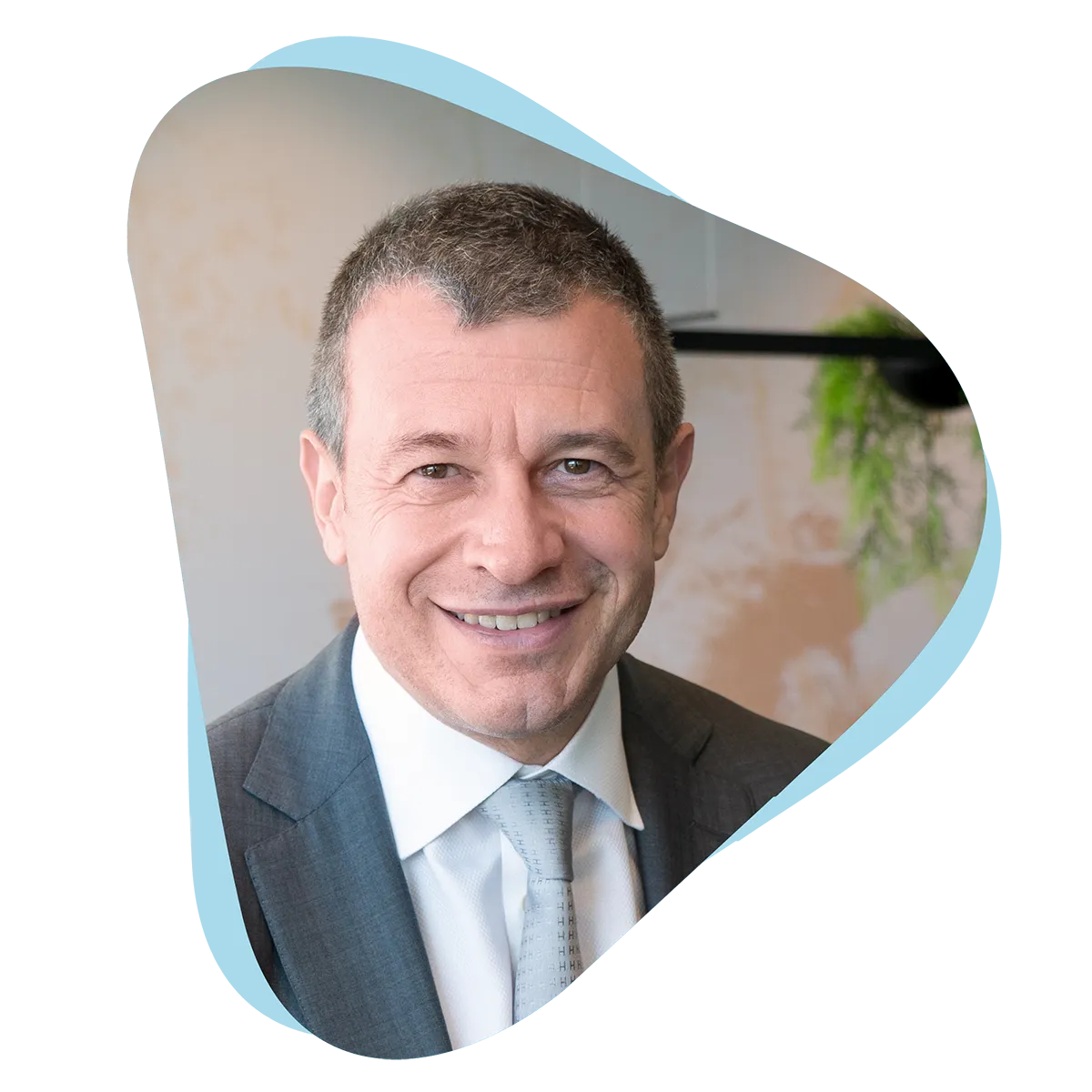
For years, Belgium has been struggling with shortages of various medicines. Just this week, 7,6% of all marketed medicine packages for human use are unavailable in Belgium. Moreover, the COVID crisis exposed a couple of years ago Belgium’s – and actually Europe’s – dependency on Asia. “It is the combination of these challenges that laid the groundwork for the Critical Medicines Act, recently proposed by the European Commission,” explains Hugues Malonne of the FAMHP. Belgium played a crucial role in this by supporting the Critical Medicines Alliance a year earlier—a European coalition that includes the pharmaceutical industry, healthcare sector, and governments. This alliance, launched ceremoniously during the Belgian Presidency of the Council of the EU, conducted the preparatory work on which the Critical Medicines Act is now based. Malonne contributed significantly to this effort, but as the previous Vice-Chair of the Alliance’s Steering Board, he still sees room to strengthen the current initiative.
Medicines as important as ammunition
In cooperation with European member states, 276 active substances or combinations have been identified as critical on the Union List of Critical Medicines. “But we have to be realistic,” Malonne clarifies. “Producing all 276 active substances or combinations entirely within Europe is extremely ambitious. That’s why I believe we should primarily focus on a selection of the most crucial APIs that must remain available at all costs during crises.”
To achieve this, Europe must become more attractive to pharmaceutical producers worldwide. “That requires funding,” Malonne states bluntly. “The current European plans allocate only €80 million, which is peanuts. Without additional resources, it remains a half-hearted solution.” Malonne points to Europe’s defense budget as a possible solution: “Without antibiotics, anesthetics, and emergency medications, we cannot carry out military operations. These medicines are just as important as ammunition.”
We need to move towards a multiple winner model, where more than one producer is guaranteed procurement volumes. This prevents monopolies and encourages competition.
Searching for a sustainable model
Such investments raise the question of a fair and sustainable model for multiple manufacturers. “The lowest price still wins too often in tenders, but that is unsustainable,” says Malonne. “We need to move towards a multiple winner model, where more than one producer is guaranteed procurement volumes. This prevents monopolies and encourages competition.”
Generic medicines and biosimilars— the so-called baseline medicines —play a key role in ensuring affordability and availability. Malonne emphasizes that the manufacturers of these medicines must have enough profit margin to stay viable. “Producers of baseline medicines are often at their limits and are forced to withdraw, further worsening shortages. A limited price increase is essential to keep production in Europe, though profit margins must remain balanced.”
Ensuring supply security
Beyond financial incentives, Malonne stresses the social responsibility of pharmaceutical manufacturers. Supply security should be a key factor in procurement decisions. “Many companies play a zero stock game, keeping minimal inventory to reduce costs,” Malonne explains. “But that system makes us extremely vulnerable. A single disruption in the supply chain—like the recent Houthi attacks in the Red Sea—and we face shortages.” A public service obligation for European manufacturers could offer a solution: “Producers must be able to deliver a minimum volume immediately when European countries request it. Especially within a defense framework, they bear a crucial social responsibility.”
A European stock management system
Besides manufacturers’ responsibility to secure European stock, Malonne also points to the importance of a coordinated European stock management system between European countries: “Right now, we have national medicine reserves that are not shared across borders. This contradicts European solidarity. It is unacceptable for one country to hoard massive supplies while a neighboring country faces shortages. Stocks should be freely exchangeable whenever a Member State is in dire need of supply.”
In times of crisis, Europe must be able to act flexibly to ensure availability
A flexible derogation system could play a key role to solve this problem. “In times of crisis, Europe must be able to act flexibly to ensure availability,” the Chief Executive Officer of FAMHP states. “It cannot be that Country A cannot access Country B’s stock due to bureaucratic hurdles. In such emergencies, waiving fines imposed on companies for failing stock obligations should also be an option. But proper coordination is essential.”
For Malonne, European cooperation goes beyond just supply management. He calls for smart production agreements between member states. “We don’t want every country building factories for the same products with subsidies. That would lead to overproduction, forcing companies into destructive competition and making production unprofitable,” Malonne explains. “If Italy already has an antibiotic factory, then Germany should focus on a different medicine. We must strategically distribute our efforts.”
Environmental challenges
Creating an attractive European market must not come at the cost of environmental responsibility. “Europe can financially reward environmentally friendly production through tenders,” Malonne suggests. However, he also warns that new environmental regulations must be implemented carefully. The Chief Executive Officer of FAMHP is particularly critical for the Urban Wastewater Treatment Directive, which demands financial compensation from the pharmaceutical industry for its share in water pollution. Generic medicine manufacturers in particular would be disproportionately affected by this. Malonne warns that such regulations could drive production to Asia: “Environmental regulations are necessary, but if they cause generic medicine manufacturers to leave Europe and relocate to Asia, we would be shooting ourselves in the foot. That would be a strategic mistake.”
Now or never
“Europe stands at a crucial moment,” Malonne concludes. “The next few years will determine whether we secure our medicine supply or become even more dependent on other continents.” He calls for more cooperation, less bureaucracy, and larger investments: “If we don’t make decisions now, we will be stuck in a crisis for the next 20 years. It is truly now or never.”
With the Critical Medicines Act, the first step has been taken, but the fight against medicine shortages is far from over.